
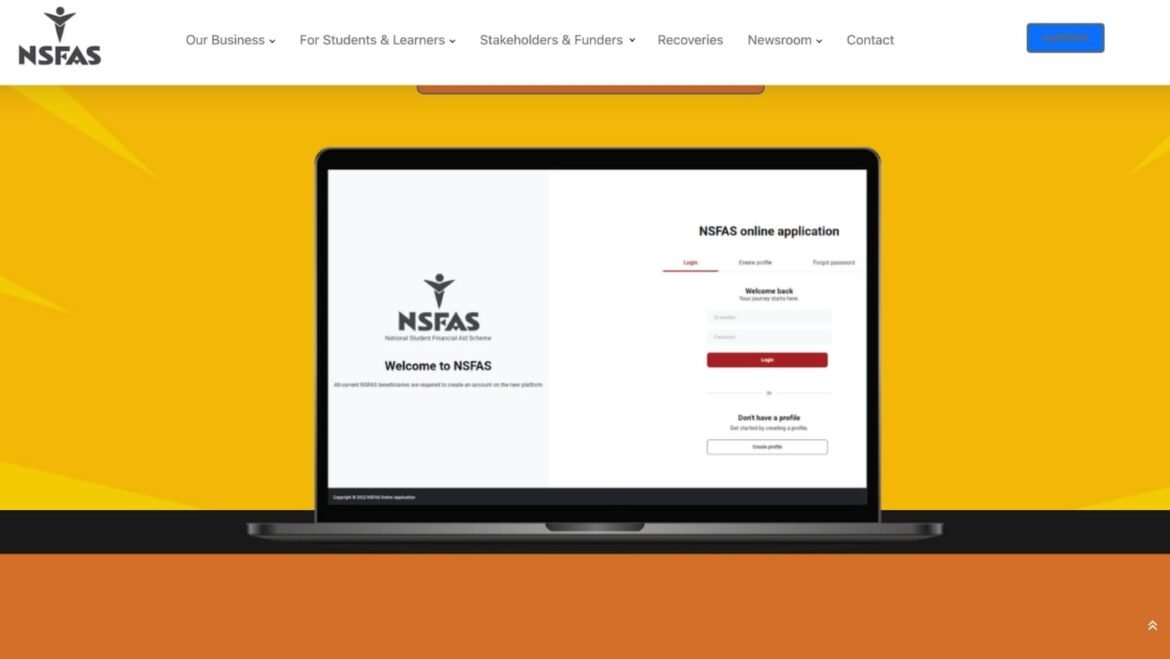
NSFAS: Understanding the Scheme – Your Complete Guide, The National Student Financial Aid Scheme (NSFAS) is a crucial South African government bursary programme designed to make higher education accessible to students from poor and working-class backgrounds.
If you dream of attending a public university or TVET college but are worried about the costs, National Student Financial Aid Schemecould be the key to your future.
Understanding NSFAS matters because it directly impacts your ability to enrol, stay registered, and graduate without the crushing burden of debt. This guide breaks down everything you need to know—from what NSFAS is, to how to apply, solve problems, and secure your funding. Let’s get started.
What Is NSFAS and Why It Matters
NSFAS is not a loan; it is a bursary. This means if you meet all the academic conditions, the funding you receive does not need to be paid back. It is a pivotal part of South Africa’s commitment to transforming higher education and building a skilled workforce.
Who NSFAS Is For
NSFAS is specifically for South African students who demonstrate a financial need and who have the academic potential to succeed at a public tertiary institution. It is intended to remove the financial barrier between qualified students and their studies.
What NSFAS Covers Financially
NSFAS funding is comprehensive. For approved students, it typically covers:
- Tuition Fees: Paid directly to your institution.
- Learning Materials: An annual allowance for books and other supplies.
- Accommodation: Covered either for university-accredited residence or private accommodation (capped at a set rate).
- Living Allowance: A personal care stipend for food and travel.
- Incidental Allowance: For students in catered residence.
This package aims to allow you to focus entirely on your studies.
Who This Topic Applies To
This guide is essential for a wide range of students and supporters:
- First-Time Applicants: Grade 12 learners or out-of-school youth applying for funding for the first time.
- Returning Students: Current National Student Financial Aid Scheme beneficiaries who need to meet academic progression requirements to continue receiving funding.
- TVET College Students: Those enrolled or applying to Technical and Vocational Education and Training colleges.
- University Students: Those enrolled or applying to any South African public university.
- Parents/Guardians: Anyone helping a student navigate the application and funding process.
- SASSA Grant Beneficiaries: Students from families who receive SASSA grants are automatically eligible for NSFAS but must still apply.
Requirements and Eligibility
Meeting the NSFAS eligibility criteria is the first critical step. Here are the core requirements:
Citizenship
You must be a South African citizen or permanent resident. Refugee and asylum seeker eligibility is subject to specific criteria—check the official NSFAS website for the latest policy.
Household Income Threshold
This is the primary financial test. Your combined household income must not exceed:
- R350,000 per annum for a student with a disability.
- R600,000 per annum for all other students.
Academic Requirements
- First-Time University Students: You must have a Grade 12 certificate (National Senior Certificate) and have been accepted or applied to a public university for a funded qualification.
- University Returning Students: You must pass at least 50% of your modules each academic year and meet your institution’s specific progression rules (often called the “N+ rule”).
- TVET College Students: You must have a Grade 9-12 certificate and be accepted or registered for a college programme.
Special Cases
NSFAS gives priority to vulnerable groups. If you are an orphan, a child of a social grant recipient, or a student with a disability, you are strongly encouraged to apply. Be prepared to submit supporting documents.
Step-by-Step Process
Follow this clear, step-by-step guide to navigate your NSFAS journey.
Step 1: Prepare Your Documents
Before you start, gather all necessary certified supporting documents (see the detailed list in the next section).
Step 2: Create Your myNSFAS Account
- Go to the official NSFAS website.
- Click on the ‘myNSFAS’ portal.
- You will need a valid email address and cellphone number.
- Follow the prompts to register, creating your own username and password.
Step 3: Complete the Online Application
- Log into your new myNSFAS account.
- Click the ‘APPLY’ tab.
- Carefully fill in all required fields. Be 100% accurate with personal and financial details.
- Upload clear, certified copies of your supporting documents.
Step 4: Submit and Note Your Reference Number
Once you submit, you will receive a reference number. Keep this number safe for tracking.
Step 5: Track Your Application Status
To complete the NSFAS Status Check, log into your myNSFAS account regularly to check your application status. Statuses include “Application Submitted,” “Funding Eligibility,” “Awaiting Academic Results/Admission,” and finally, “Funding Approved.”
Step 6: Sign Your Agreement
If approved, you will need to sign a National Student Financial Aid Scheme Bursary Agreement (NBA) online via the myNSFAS portal. Your funding is only finalised once this is signed.
Documents Needed
Having the correct, certified documents ready is vital to avoid delays.
Mandatory Documents List
- Certified copy of your South African ID (or birth certificate if under 16).
- IDs of all members in your household, or certified copies of death certificates if deceased.
- Proof of income from parents/guardians/spouse (payslips, appointment letters, SASSA grant slips). If unemployed, a sworn affidavit or SASSA confirmation.
- A completed and signed Consent Form (downloaded during the application).
- If applicable: Disability Annexure A form, Retrenchment letter, Proof of divorce/separation, etc.
Certification Rules
- Documents must be certified within the last 3 months.
- A commissioner of oaths, police officer, or post office official can certify.
- They must write “Certified true copy of original,” date, sign, and provide their official stamp.
File Formats and Upload Tips
- Scan documents clearly in PDF, JPEG, or PNG format.
- Ensure file sizes are not too large (under 2MB is usually safe).
- Name your files clearly (e.g., “JohnDoe_ID.pdf”).
- Check that uploaded documents are clear and fully readable before final submission.
Common Problems and Solutions
Students often face these issues. Here’s how to tackle them.
“Invalid ID Number” Error
- Solution: Double-check you entered the correct 13-digit number. If it persists, ensure you are using the ID number on your green barcoded ID book or smart ID card, not a birth certificate number.
Application Rejection Due to “Household Income Exceeds Threshold”
- Solution: First, review the financial information you submitted for errors. If you believe it’s incorrect, you can appeal during the official appeal period via your myNSFAS portal, providing correct supporting documents.
Missing or “Required” Documents Status
- Solution: Log into your portal, see which documents are flagged, and re-upload clear, certified copies immediately. Ensure the Consent Form is fully completed and signed.
Delays in Allowance Payments
- Solution: First, confirm with your institution’s financial aid office that NSFAS has sent the funds. Often, delays happen at the institution’s disbursement stage. Ensure your banking details on the myNSFAS portal are 100% correct.
Cannot Access myNSFAS Account (Forgot Login Details)
- Solution: Use the “Forgot Password” or “Forgot Username” function on the login page. You will need your registered email or cellphone number to reset. Do not create multiple accounts.
Important Tips and Warnings
Avoiding Scams
- NSFAS will NEVER ask for your password or OTP. Never share these.
- NSFAS does not use agents or charge application fees. Apply only via the official website.
- Beware of social media pages or people promising to “fast-track” your application for a fee—they are scammers.
Deadlines to Watch
- The application period typically opens in August/September and closes in January/February of the following year. DO NOT WAIT. Apply as soon as the window opens.
- Appeal windows are limited. If rejected, submit your appeal immediately when it opens.
Mistakes That Lead to Rejection
- Submitting uncertified or blurry documents.
- Entering incorrect ID numbers or household income figures.
- Missing the deadline.
- Not signing the National Student Financial Aid Scheme Bursary Agreement (NBA) after approval.
- Failing to meet your institution’s academic progression requirements as a returning student.
Frequently Asked Questions (FAQ)
Q: How do I check my NSFAS status?
A: Log into your myNSFAS account, go to “Track Funding Progress.” Your current status will be displayed there.
Q: What does “NSFAS funding eligibility” mean?
A: It means you have passed the initial means test (financial eligibility). National Student Financial Aid Scheme now awaits confirmation from your chosen institution that you are academically admitted to a funded programme.
Q: Can I use NSFAS at a private college?
A: No. NSFAS only funds studies at accredited South African public universities and TVET colleges.
Q: I am a SASSA beneficiary. Do I need to provide proof of income?
A: No. If you or your family receive a SASSA grant, you are automatically financially eligible. You must still apply and submit your ID, consent form, and proof of SASSA grant receipt.
Q: How long does NSFAS funding last?
A: NSFAS funds you for the prescribed duration of your qualification, plus an additional year (the N+ rule). For a standard 3-year degree, you have 4 years of funding eligibility if needed.
Q: What happens if I fail a year?
A: You must pass at least 50% of your modules to continue receiving funding. If you fail, you may lose funding but can appeal based on proven exceptional circumstances.
Conclusion:
Securing NSFAS funding is a powerful step toward claiming your future. While the process may seem daunting, taking it step-by-step with the right information makes it manageable. Start early, be meticulous with your details, and use your myNSFAS portal as your central hub for communication.
Remember, millions of students have walked this path before you. Your education is an investment in yourself and your country. Stay proactive, meet your academic commitments, and don’t hesitate to seek help from your institution’s financial aid office—they are there to support you. Your journey begins with a single, well-prepared application. You’ve got this
Check also:
1. MyNSFAS Complete Guide: For Your Student Funding