
What is “NSFAS Waiting Evaluation: For hundreds of thousands of South African students, checking their National Student Financial Aid Scheme (NSFAS) application status is a nerve-wracking experience. Among the various messages you might see, “Waiting Evaluation” is one of the most common, yet most misunderstood.
If you’ve logged into your myNSFAS account and seen this status, you’re likely filled with questions. What does NSFAS waiting evaluation mean? Is it good or bad? How long will it take? This comprehensive guide for 2026 will explain everything you need to know, turning confusion into clarity and providing you with clear, actionable steps to take.
In simple terms, “Waiting Evaluation” means your NSFAS application has been successfully submitted and has passed the initial system checks, and is now in a queue to be manually reviewed and evaluated by a NSFAS funding administrator. Your documents and information are waiting for a human agent to open your file and make a final funding decision.
What is “NSFAS Waiting Evaluation” Meaning and Why It Matters
The NSFAS application process is multi-staged. The “Waiting Evaluation” status is a critical part of this journey. It’s not a final answer, but a sign that you are progressing through the system.
Think of it like this: You’ve posted a thorough job application (your NSFAS application). The automated system has confirmed it was received and is complete (the “Application Submitted” or “Filtering” stage). Now, your application is sitting on the desk of the hiring manager (the NSFAS evaluator), waiting for them to pick it up, read through it carefully, and decide if you are the right candidate for the job (funding).
Why NSFAS Waiting Evaluation Status Matters to You?
It matters because it confirms you are in the active review phase. It moves you beyond technical submission issues and into the substantive assessment of your eligibility. Understanding this prevents panic and helps you manage your expectations during the waiting period.
What NSFAS Funding Covers:
While you wait, it’s useful to remember what you’re waiting for. A successful NSFAS bursary (for university students) or funding (for TVET students) typically covers:
- Tuition fees
- Registration fees
- Prescribed learning materials (book allowance)
- A personal care allowance
- Accommodation (either in accredited residence or a living-out allowance)
- Transport allowance (where applicable)
Who This Topic Applies To?
The “Waiting Evaluation” status is a universal stage that applies to a wide range of applicants. If you fall into any of the categories below, this guide is for you.
- First-Time Applicants (Grade 12 Leavers & New Entrants): This is your first time applying for NSFAS funding for tertiary studies. Your application will go through “Waiting Evaluation” as NSFAS verifies your household financial information, your academic admission, and your South African citizenship.
- Returning NSFAS Students: Even if you were funded in 2025, you must reapply or sign your NSFAS Bursary Agreement (NBA) for 2026. Your renewed application will also enter “Waiting Evaluation” to confirm your continued eligibility, particularly your academic performance (meeting the NSFAS Academic Performance Policy).
- TVET College vs. Public University Students: The process is largely the same for both streams. The evaluation checks your admission to an approved TVET College or public university and ensures your chosen qualification is funded by NSFAS.
- SASSA Grant Beneficiaries: While students from SASSA-grant households are automatically declared financially eligible, their applications still go through “Waiting Evaluation.” At this stage, NSFAS is confirming your provisional admission to an institution and ensuring all other non-financial criteria are met.
When Does “NSFAS Waiting Evaluation” Appear On Your Status?
The “Waiting Evaluation” status appears at a specific point in the application lifecycle. Here is the typical sequence you will see in your myNSFAS portal:
- Application Submitted: Your application is successfully uploaded.
- Filtering: NSFAS systems run initial automated checks (e.g., for duplicate applications).
- Waiting Evaluation: (THIS IS THE STAGE WE ARE DISCUSSING). Your application is now in the queue for a manual, in-depth assessment by a NSFAS officer.
- Evaluation: The officer is actively reviewing your application.
- Funding Eligibility: A preliminary positive decision has been made, subject to final checks like academic admission.
- Awaiting Academic Results/Admission: NSFAS is waiting for confirmation from your institution that you are admitted.
- Approved/Provisionally Funded: Final approval. You will then need to sign your NSFAS Bursary Agreement (NBA).
You will typically see “Waiting Evaluation” after the application closing date has passed and the verification process begins in earnest. For the 2026 academic year, expect to see this status from late 2025 into early 2026.
What to Do When You See the “NSFAS Waiting Evaluation” Status
Seeing “Waiting Evaluation” is not a cue to just sit back. It’s a time for proactive patience. Follow these clear, numbered steps.
Step 1: Do Not Panic or Re-apply
This is the most important rule. Submitting multiple applications will create duplicates and can cause significant delays or even rejection. Trust the process.
Step 2: Double-Check Your Uploaded Documents
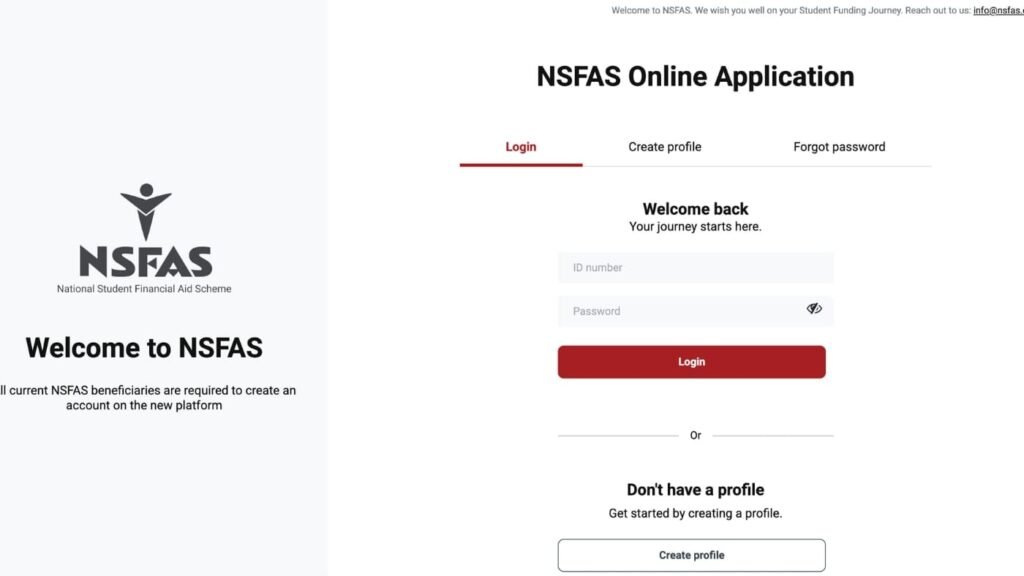
Log into your myNSFAS account. Navigate to the ‘Document Upload’ section. Ensure all required documents are:
- Clearly visible and legible.
- In the correct format (usually PDF or JPEG).
- Not expired (e.g., ID copies must be of a valid ID).
- Certified where required (certification must not be older than 3 months).
Step 3: Confirm Your Admission Status with Your Institution
NSFAS cannot fund you if you are not admitted. Contact your university or TVET college’s financial aid or admissions office to confirm that you have a provisional or firm offer for a NSFAS-approved qualification for 2026.
Step 4: Monitor Your Communication Channels Religiously
- myNSFAS Portal: Check for status updates at least once a week.
- Email & SMS: Ensure the contact details on your application are correct. Check your spam/junk folder daily. NSFAS will communicate any missing documents or issues here.
- NSFAS WhatsApp Line: Save the official NSFAS number and use it for updates.
Step 5: Prepare for the Next Possible Status
While waiting, understand what the next steps are. The status will likely change to “Evaluation” and then “Funding Eligibility.” Start gathering any additional information you might need.
What to Expect at This Stage:
Expect a waiting period of several weeks. The duration depends on the volume of applications NSFAS receives. Use this time to focus on your matric finals or your current academic year.
Common Problems and Solutions with “NSFAS Waiting Evaluation”
It’s common to face hurdles. Here’s how to navigate the most frequent issues.
Problem 1: “Waiting Evaluation” Stays for Too Long (Months)
- Solution: First, confirm your institution has submitted your registration data to NSFAS. If the delay persists, escalate politely. Use the official NSFAS contact centre (08000 67327) or visit a nearby NSFAS walk-in centre. Have your ID number ready.
Problem 2: Status Changes from “Waiting Evaluation” to “Application Unsuccessful”
- Solution: Don’t despair. Log in to view the specific reason for rejection. Common reasons include exceeding the income threshold, incomplete documents, or not meeting academic requirements. You have 30 days to submit an appeal via the myNSFAS portal during the official appeal window. Provide a strong motivational letter and any missing/corrected documents.
Problem 3: Technical Glitches on the myNSFAS Portal
- Solution: Clear your browser cache and cookies, or try a different browser (Chrome, Firefox). Try accessing the portal during off-peak hours (early morning or late evening). If the problem continues, take a screenshot and report it via NSFAS social media (Twitter: @myNSFAS) for technical support.
Problem 4: Missing or Incorrect Document Notification
- Solution: Act immediately. Upload the correct, certified document through the portal as instructed. Ensure the file size is within limits and the content is clear. Do not ignore these notifications.
Important Tips and Warnings for 2026 NSFAS Applicants
- AVOID SCAMS AT ALL COSTS: NSFAS will never ask you for your password, OTP, or to pay a fee for application or approval. All communication comes from official channels (@myNSFAS.co.za, 08000 67327). Do not share your personal details with “agents” promising faster approval.
- Deadlines are Sacred: The “Waiting Evaluation” stage is influenced by your timely application. Missing the initial NSFAS application deadline is the biggest mistake. For 2026, aim to apply the day applications open.
- Mistakes That Lead to Rejection: Submitting uncertified documents, incorrect ID numbers, applying for a qualification not funded by NSFAS (e.g., certain postgraduate diplomas), or having a household income above the threshold.
- Use Official Resources Only: Bookmark the official NSFAS website (www.nsfas.org.za) and the myNSFAS portal. These are your primary sources of truth.
Frequently Asked Questions (FAQ)
Q1: How long will my application stay on “Waiting Evaluation”?
A: There is no fixed timeframe. It can range from a few weeks to a couple of months, depending on application volumes and the verification process with institutions. Patience is key.
Q2: Does “Waiting Evaluation” mean I will be funded?
A: Not yet. It is a neutral status meaning you are in the queue for assessment. It is a prerequisite for funding, but not a guarantee. The final decision comes after evaluation and confirmation of admission.
Q3: Can I speed up the “Waiting Evaluation” process?
A: You cannot speed up NSFAS’s internal queue. However, you can ensure your part is flawless: have your admission confirmed and your documents ready for verification to avoid unnecessary delays.
Q4: What is the difference between “Waiting Evaluation” and “Evaluation”?
A: “Waiting Evaluation” means your file is in line. “Evaluation” means a NSFAS officer has opened your file and is actively assessing your documents and information at that moment.
Q5: Should I contact NSFAS while my status is “Waiting Evaluation”?
A: Only if it has been stuck for an excessively long time (e.g., over 2 months while peers are progressing) or if you have received a notification requesting action from you. Otherwise, monitoring is sufficient.
Conclusion:
The “Waiting Evaluation” status is a test of patience, but it is a normal and necessary part of your journey to securing financial aid for your studies. It signifies that your application is alive, in the system, and moving forward.
Use this waiting period wisely. Focus on your academics, ensure your admission is secured, and prepare yourself for the next steps in the NSFAS process. Remember that millions of students have navigated this same status before you and have successfully proceeded to funding.
Stay positive, stay informed through official channels, and take proactive steps where you can. Your dedication to your education is worth this effort. Keep checking your myNSFAS portal, respond promptly to any requests, and look forward to the day your status changes to “Approved.” Your future is worth the wait.
1. What Does NSFAS Status Processing Mean?
2. How to Track NSFAS Application Online
3. How to Check NSFAS Status Online – A Complete Guide
4. How to Apply for NSFAS Online – (Step-by-Step)
5. How to Create myNSFAS Account Online