
What Does NSFAS Status Processing Mean? Your Complete 2026 Guide. Stuck on ‘NSFAS Status Processing’? We explain what it means, how long it takes, what to do next, and how to finally get your funding approved for South African students waiting for the final results of their National Student Financial Aid Scheme (NSFAS) application.
What Does “NSFAS Status Processing” Mean?
If you’ve checked your NSFAS application status and seen the message “Processing”, you’re likely filled with a mix of hope and anxiety. What does it actually mean? How long will it take? And what should you do while you wait?
This comprehensive guide is designed specifically for you—the South African student or parent navigating the National Student Financial Aid Scheme (NSFAS). We will break down the “NSFAS Status Processing” message in simple terms, explain the entire journey your application takes, and give you clear, actionable steps. Understanding this status is crucial as it sits between submission and the final funding decision that could change your educational future.
What Does “NSFAS Status Processing Mean?” Why It Matters to Understand
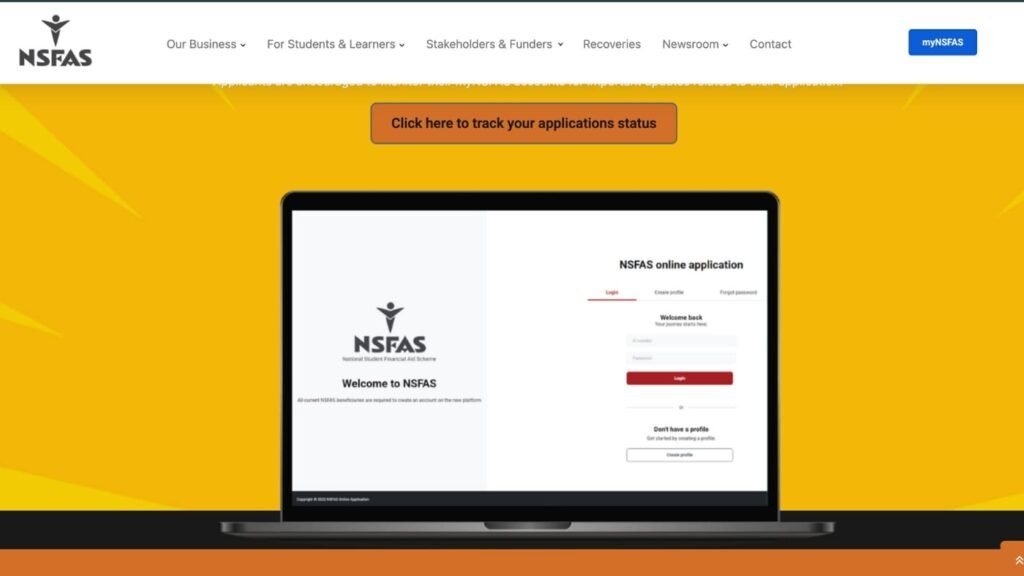
The status “Processing” on the myNSFAS portal is a direct message from the system that your application has been successfully submitted and is now actively undergoing a thorough evaluation. It is not a final decision, but a sign of progress.
Think of it as your application file moving from the “received” pile to the “under review” desk. The NSFAS team is now verifying every piece of information and document you provided against their strict funding criteria.
Who This Status Is For:
- First-time university and TVET college applicants.
- Returning students awaiting continued funding confirmation.
- Students who have applied within the application cycle deadlines.
The Effects of Seeing “Processing”:
- It’s a Positive Signal: Your application is in the system and has passed initial checks.
- It Requires Patience: The review phase takes time, often several weeks.
- It Means You Must Monitor: You cannot be passive. You must regularly check your myNSFAS account and your email for any communication or requests for further documentation.
Who This Topic Applies To
Understanding the NSFAS status check process is vital for several groups of applicants:
- First-Time Applicants (Grade 12s & New Entrants): This is your first encounter with the NSFAS system. The “Processing” status is a key part of your journey from applicant to potential funded student.
- Returning NSFAS Students: Even if funded before, you must apply for continued funding each year. “Processing” indicates your academic performance (NPF – National Proficiency Form) and continued financial eligibility are being assessed.
- TVET College vs. University Students: The process is largely the same, though some timeline differences may exist based on institutional data submission.
- SASSA Grant Beneficiaries: While you are automatically eligible for funding, you must still apply. Your status will move through “Processing” as NSFAS confirms your SASSA status with the national database.
Requirements and Eligibility for NSFAS Funding
For your application to move successfully through the “Processing” stage and towards approval, you must meet the core NSFAS eligibility requirements. These are what the evaluators are checking:
- Citizenship: You must be a South African citizen or permanent resident.
- Household Income Thresholds:
- The combined gross household income must be R350,000 or less per annum.
- For students with a disability, the threshold is R600,000 or less per annum.
- Academic Requirements:
- First-Time University Students: Must meet the entry requirements of the university and be admitted/conditionally admitted.
- Returning University Students: Must pass at least 50% of your modules to maintain funding (the NPF rule).
- TVET College Students: Must meet the college’s entry requirements for your chosen programme.
- Special Cases: Students who are orphans, living with disabilities, or from child-headed households receive priority and have specific supporting document requirements.
The Step-by-Step NSFAS Application Process
Knowing the full process helps you understand where “Processing” fits in. Here’s a simplified, numbered journey:
- Account Creation: You create your myNSFAS account on the official website (www.nsfas.org.za).
- Application Submission: You complete the online application form, entering all personal, financial, and academic details accurately.
- Document Upload: You upload clear, certified copies of all required documents (see next section).
- Submission & Acknowledgement: You submit and receive a reference number. Your status may initially show “Submitted”.
- The “Processing” Phase: Your application enters the evaluation stage. NSFAS verifies your details with SARS, the Department of Home Affairs, and the Department of Social Development.
- Evaluation & Communication: If information is missing, your status may change to “Awaiting Information”. Check your email and portal for messages.
- Final Decision: Your status will change to either “Approved” or “Unsuccessful” with a reason provided.
- Funding Agreement (NSFAS Bursary Agreement): If approved, you must sign your NBA online to receive allowances.
Documents Needed for a Successful Application
Missing or incorrect documents are the main cause of delays. Here is the checklist:
- A certified copy of your South African ID (not older than 3 months). A birth certificate is required if under 16.
- Certified copies of your parents’, guardian’s, or spouse’s ID.
- Proof of Income: If non-SASSA, parents/guardians/spouse must provide latest payslips or employment letters. If unemployed, a sworn affidavit or SASSA proof.
- A certified copy of your latest academic results or qualification.
- If disabled, complete the Disability Annexure A Form.
- If an orphan, a certified death certificate of parents.
Certification Rules: Documents must be certified by a Commissioner of Oaths (at a police station, post office, or lawyer) as a true copy of the original, not older than 3 months.
Upload Tips: Scan documents clearly. Save files as PDF or JPEG. Name your files clearly (e.g., YourName_ID.pdf). Ensure file sizes are within the portal’s limits.
Common “NSFAS Status Processing” Problems and Solutions
| Problem | Likely Cause | Solution |
|---|---|---|
| Status stuck on “Processing” for months | High application volume, incomplete data from your institution, or background checks delayed. | First, be patient during peak periods (Jan-March). Then, contact your institution’s Financial Aid Office (FAO) to confirm they have submitted your registration data to NSFAS. |
| Status changes from “Processing” to “Awaiting Information” | NSFAS needs a missing or clearer document from you. | Log into your myNSFAS account immediately. Check the “Track Funding Progress” section and your application communication messages for details. Upload the requested document ASAP. |
| “NSFAS Status Check” page is not loading | High traffic on the portal or technical maintenance. | Try checking during off-peak hours (early morning or late evening). Clear your browser cache or use a different browser (Chrome, Firefox). |
| Can’t remember myNSFAS login details | Forgotten username or password. | Use the “Forgot Password” or “Forgot Username” links on the login page. You will need the ID and cellphone number you registered with. |
| Application rejected while in “Processing” | Failing initial eligibility checks (income threshold, academic eligibility). | NSFAS will provide a reason. You can appeal during the official appeal window by submitting supporting documents that address the reason for rejection. |
Important Tips and Warnings for NSFAS Applicants
- Avoid Scams: NSFAS will NEVER ask for your login password or banking details via email, phone, or WhatsApp. Only communicate through the official myNSFAS portal and email addresses ending in
@nsfas.org.za. - Deadlines are Sacred: Always apply within the official application period. Late applications are typically not accepted. Also, heed appeal deadlines if your application is unsuccessful.
- Mistakes That Cause “Processing” Delays:
- Incorrect ID Numbers: Double-check all ID numbers you input for yourself and your parents.
- Uncertified/Blurry Documents: Rejected documents will halt your process.
- Not Responding to NSFAS Messages: Regularly check your myNSFAS portal and the email you registered with.
- Update Your Details: If your cellphone number or email changes, update your myNSFAS account immediately. All communication uses these channels.
Frequently Asked Questions (FAQ)
Q: How long does “NSFAS Status Processing” take?
A: There is no fixed timeline. It can take from a few weeks to several months, especially during peak periods (January to March). The pace depends on application volumes and the verification process.
Q: Does “Processing” mean I will be funded?
A: No. “Processing” means your application is being evaluated. The final decision will be either “Approved” or “Unsuccessful”. Do not make financial commitments based on a “Processing” status.
Q: What comes after the “Processing” status?
A: It will typically move to either “Approved”, “Awaiting Information”, or “Unsuccessful”. If approved, the next step is signing your NSFAS Bursary Agreement (NBA).
Q: Can I speed up the “Processing” status?
A: You cannot speed up the central NSFAS evaluation. However, you can ensure you have submitted all correct documents and that your institution has submitted your registration data to NSFAS.
Q: I’m a returning student. Why is my status still “Processing”?
A: NSFAS is checking your academic performance from the previous year (NPF) and reconfirming your financial eligibility. Ensure you passed more than 50% of your modules.
Q: Where do I check my NSFAS status?
A: Log into your myNSFAS account on the official website, go to “Track Funding Progress”.
Conclusion:
Seeing “NSFAS Status Processing” is a call for calm, vigilant patience. It is a normal and necessary part of the journey to securing your funding. Your role now is to monitor your communication channels closely, ensure your institution has your correct registration information, and avoid the pitfalls of scams or misinformation.
Use this waiting period productively. Focus on your studies, explore your course materials, and prepare for the academic year ahead. Thousands of students before you have navigated this same process successfully. By understanding what “Processing” means and following the guidance in this article, you are taking control of your part in the process. Stay positive, stay informed, and check that portal regularly. Your educational future is worth the wait.
1. How to Track NSFAS Application Online
2. How to Check NSFAS Status Online
3. How to Login MyNSFAS Account